-

Glacial Melt Water Security Crisis: Hindu Kush-Pamir Technical Assessment 2025-2030
Hindu Kush-Pamir glaciers are retreating 65% faster than the previous decade, threatening 2 billion people across 16 countries. This comprehensive technical assessment reveals a $6.2-9.5 billion annual financing gap and strategic adaptation pathways for Afghanistan, Tajikistan, and Kyrgyzstan. Read the full analysis from Horizon Bridge Consulting.
November 5, 2025Read More -

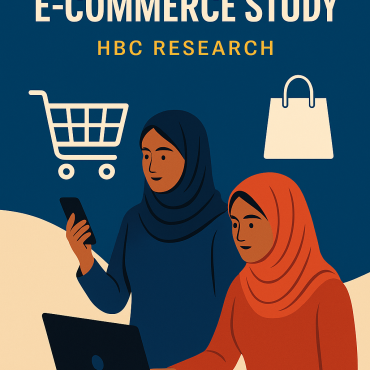
Afghan Women Transform Social Media into E-commerce Platforms
Central Asia, Competitive Research, Digital & TechnologyInnovationMarket Entry & GrowthPolicy & Economic ImpactResearch & InsightsSouth AsiaWomen's EmpowermentNew HBC research maps 82 online businesses and interviews 70 Afghan women entrepreneurs who turned Instagram and WhatsApp into full e-commerce channels after 2021, revealing strong growth, specific skill gaps, and clear opportunities for targeted donor interventions.
October 20, 2025Read More -
Islamic Microfinance in Afghanistan: Market Assessment & Strategic Opportunity
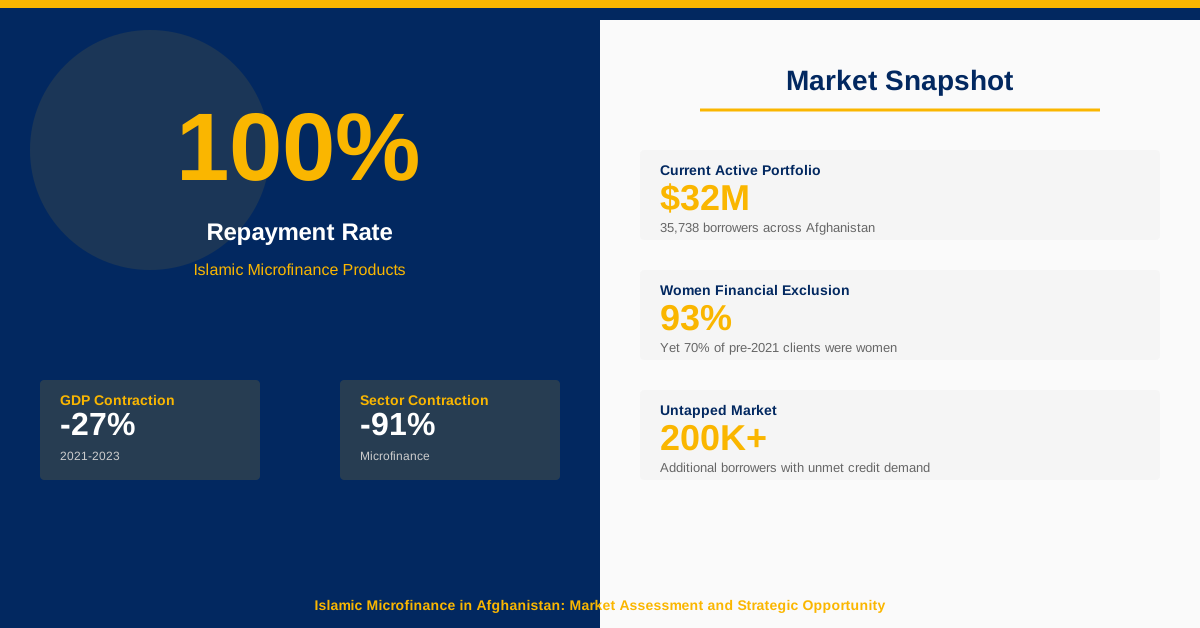
Case Studies, Central Asia, Competitive ResearchFinancial Services ConsultingGlobal & Emerging MarketsPolicy & Economic ImpactResearch & InsightsSouth AsiaAfghanistan’s microfinance sector contracted 91% between 2021-2023. Only 10% of the population has access to formal financial services. Yet amidst economic collapse—27% GDP contraction, $9 billion frozen central bank assets, and severe deflation—a counterintuitive signal emerged: Islamic microfinance products recorded 100% repayment rates.
October 10, 2025Read More
-
November 5, 2025
Glacial Melt Water Security Crisis: Hindu Kush-Pamir Technical Assessment 2025-2030
Hindu Kush-Pamir glaciers are retreating 65% faster than the previous decade, threatening 2 billion people across 16 countries. This comprehensive technical assessment reveals a $6.2-9.5 billion annual financing gap and strategic adaptation pathways for Afghanistan, Tajikistan, and Kyrgyzstan. Read the full analysis from Horizon Bridge Consulting.
-
October 20, 2025
Afghan Women Transform Social Media into E-commerce Platforms
Central Asia, Competitive Research, Digital & TechnologyInnovationMarket Entry & GrowthPolicy & Economic ImpactResearch & InsightsSouth AsiaWomen's EmpowermentNew HBC research maps 82 online businesses and interviews 70 Afghan women entrepreneurs who turned Instagram and WhatsApp into full e-commerce channels after 2021, revealing strong growth, specific skill gaps, and clear opportunities for targeted donor interventions.
-
October 10, 2025
Islamic Microfinance in Afghanistan: Market Assessment & Strategic Opportunity
Case Studies, Central Asia, Competitive ResearchFinancial Services ConsultingGlobal & Emerging MarketsPolicy & Economic ImpactResearch & InsightsSouth AsiaAfghanistan’s microfinance sector contracted 91% between 2021-2023. Only 10% of the population has access to formal financial services. Yet amidst economic collapse—27% GDP contraction, $9 billion frozen central bank assets, and severe deflation—a counterintuitive signal emerged: Islamic microfinance products recorded 100% repayment rates.



-

Glacial Melt Water Security Crisis: Hindu Kush-Pamir Technical Assessment 2025-2030
Hindu Kush-Pamir glaciers are retreating 65% faster than the previous decade, threatening 2 billion people across 16 countries. This comprehensive technical assessment reveals a $6.2-9.5 billion annual financing gap and strategic adaptation pathways for Afghanistan, Tajikistan, and Kyrgyzstan. Read the full analysis from Horizon Bridge Consulting.
-

Afghan Women Transform Social Media into E-commerce Platforms
New HBC research maps 82 online businesses and interviews 70 Afghan women entrepreneurs who turned Instagram and WhatsApp into full e-commerce channels after 2021, revealing strong growth, specific skill gaps, and clear opportunities for targeted donor interventions.
-
Islamic Microfinance in Afghanistan: Market Assessment & Strategic Opportunity
Afghanistan’s microfinance sector contracted 91% between 2021-2023. Only 10% of the population has access to formal financial services. Yet amidst economic collapse—27% GDP contraction, $9 billion frozen central bank assets, and severe deflation—a counterintuitive signal emerged: Islamic microfinance products recorded 100% repayment rates.